Research Article: Kodandapani, N., & Karanth, K. K. (2026). Changing fire regimes in wildlife reserves of southern India: Trends, drivers, and conservation challenges. Ecosphere, 17(10), e70786.
Blog Author: Apoorva Sodhi
Key highlights:
- The study tracked fire patterns across 13 wildlife reserves over 21 years, from 2002 to 2022.
- Burned areas increased in Central India and the Eastern Ghats but declined across much of the Western Ghats.
- Most fires occurred between January and March, with some burning continuing into April.
- Hot and dry conditions influenced fire activity, while human activities could either increase or reduce burning.
- Both frequent fires and a long absence of fire can create challenges for wildlife and vegetation.
- Careful monitoring, locally appropriate fire management., and cooperation with communities can support healthier and safer reserves.
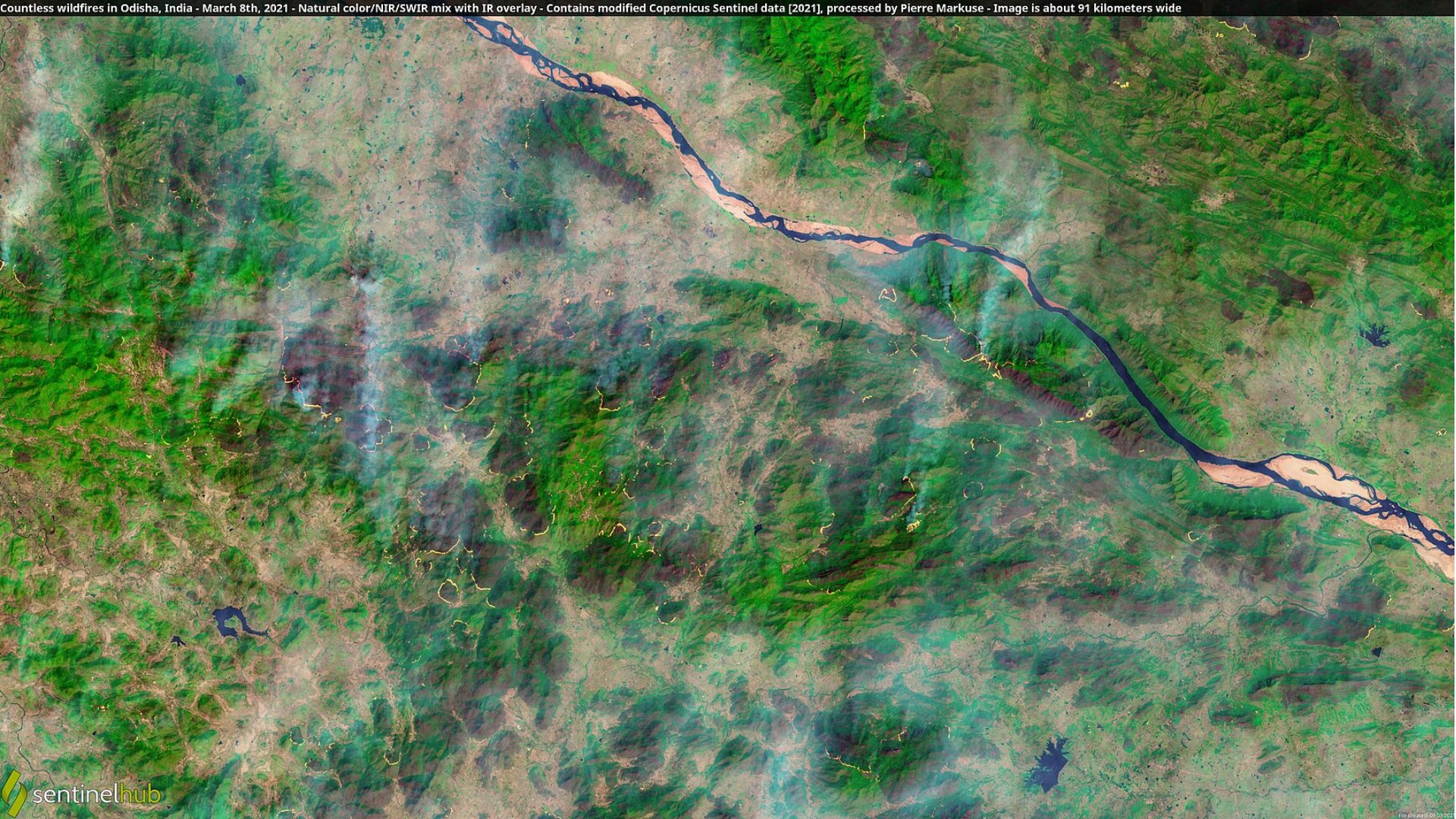
Wildfires are a natural part of many forests and grasslands, but changing patterns of fire regimes can create serious conservation concerns. Using satellite records, this study tracked burned areas across 13 wildlife reserves in southern peninsular India, grouped into Central India, the Eastern Ghats, and the Western Ghats, between 2002 and 2022. It found that burned areas increased in Central India and the Eastern Ghats but declined across much of the Western Ghats. The paper suggests that the practical way forward is to understand the needs of each reserve and manage fire in ways that support wildlife, nearby communities, and healthy ecosystems. Using satellite records, this study tracked burned areas across 13 wildlife reserves in southern peninsular India, grouped into Central India, the Eastern Ghats, and the Western Ghats, between 2002 and 2022. It found that burned areas increased in Central India and the Eastern Ghats but declined across much of the Western Ghats. The paper suggests that the practical way forward is to understand the needs of each reserve and manage fire in ways that support wildlife, nearby communities, and healthy ecosystems.
The study found that most fires occurred between January and March, during the driest part of the year, with some burning continuing into April. Across the 21-year study period, a cumulative burned area of approximately 16,667 square kilometres was recorded. Reserves in the Eastern Ghats experienced the greatest amount of burning, while those in the Western Ghats generally experienced the least.
The authors highlight that fire patterns are shaped by both climate and people. Hot and dry conditions can make vegetation more likely to burn, while wetter periods can encourage plant growth that later becomes fuel for fires. At the same time, people may use fire to encourage fresh grass growth, collect forest products, or support other livelihood needs. In some places, infrastructure, agriculture, forest fragmentation, biomass removal, and active fire control can limit how far fires spread.
The paper also explains that fire is not always harmful. In savannas and grasslands, it can support important ecological processes and help prevent woody plants from taking over. However, fires that occur too frequently or burn too intensely can damage young trees, hinder regeneration, and alter wildlife habitats. On the other hand, completely preventing all burning for long periods can allow vegetation to build up, increasing the possibility of severe fires later.
Therefore, it is emphasized that fire management must be carefully planned for each landscape. Year-round monitoring of climate and weather, reliable early-warning systems, carefully managed cool-burning practices, and greater capacity among forest staff and other stakeholders may help reduce the risk of damaging wildfires. Strong cooperation between forest departments and local communities can also bring together valuable knowledge and create practical, positive solutions.
Thus, the core idea of the study is that there is no single solution for managing fires across all wildlife reserves. Each reserve has its own climate, vegetation, wildlife, management practices, and relationship with people. A balanced approach that considers climate, species traits, habitat conditions, and the traditional burning practices of local communities can help managers respond to changing fire patterns while supporting resilient wildlife habitats for the future.
To access the original article, click here
Keywords: Wildfires, fire regimes, wildlife reserves, protected areas, Southern India, Eastern Ghats, Western Ghats, Central India, fire management, climate, community participation, biodiversity.