Research Article: Hussain, S., Ram, M. S., Kumar, A., Shivaji, S., & Umapathy, G. (2013). Human presence increases parasitic load in endangered lion-tailed macaques (Macaca silenus) in its fragmented rainforest habitats in southern India. PLOS ONE, 8(5), e63685.
Blog Author: Nikita Yardi
Key highlights:
- Habitat fragmentation can change the way wild animals and their parasites interact, by crowding animals into larger groups and bringing them close to people and livestock.
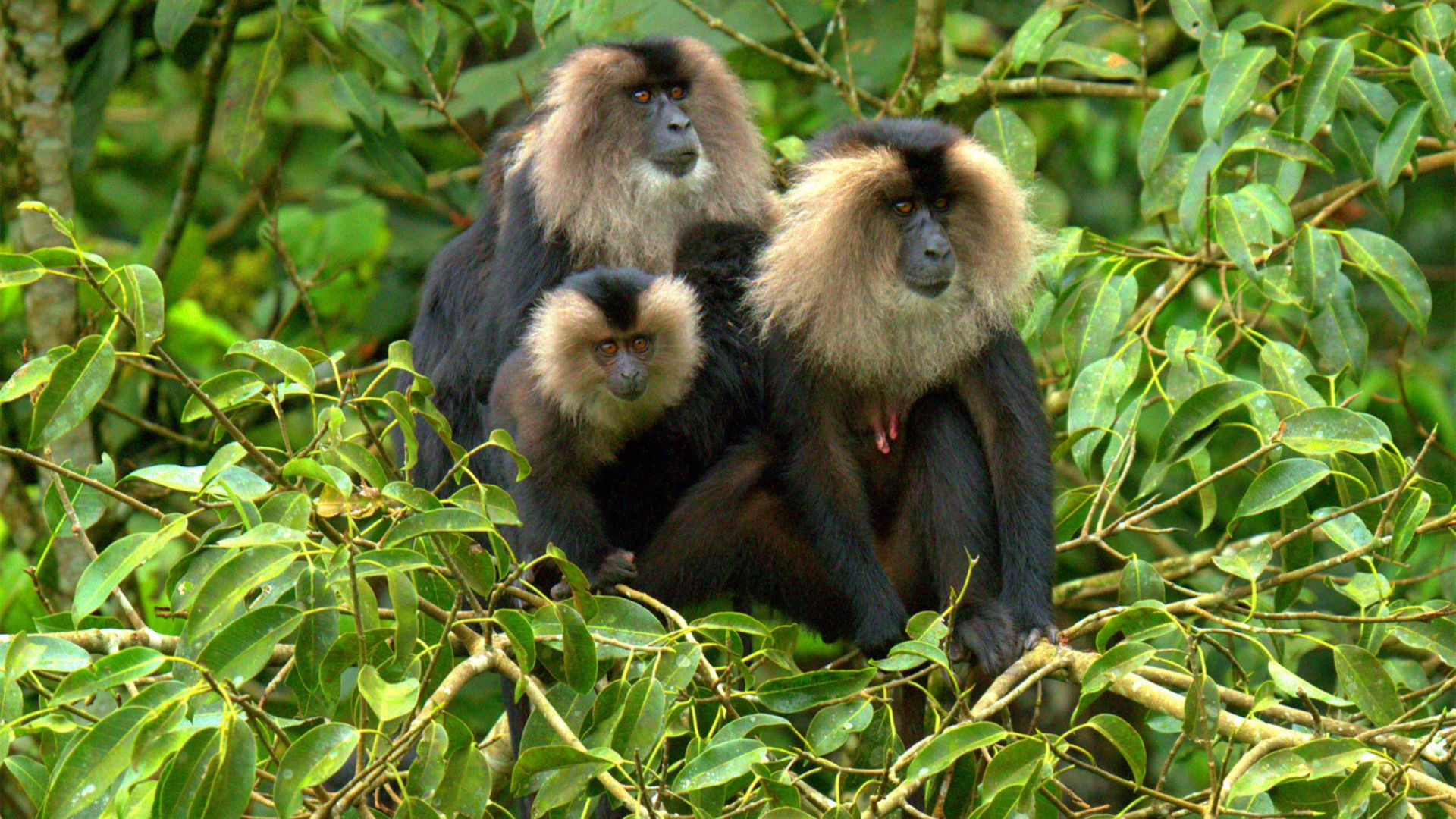
- The endangered lion-tailed macaque, found only in India’s Western Ghats, lives in one of the most fragmented biodiversity hotspots in the world, with nearly 40% of its population restricted to small, isolated, forest patches, often near human settlements.
- Scientists examined faecal samples from nine lion-tailed macaque troops in the Valparai plateau in the Western Ghats to test whether fragmentation was shaping the parasites they carried.
- Troops near human settlements carried up to six different types of gut parasites, about twice as many as troops elsewhere. Many typically infect cattle and other hoofed animals, which points to grazing livestock as a possible source.
- Larger troops carried more parasites, but proximity to settlements mattered regardless of troop size.
- The authors suggest that a heavier parasite load may partly explain the falling birth rates and poor survival of young macaques in these fragments, where less nutritious food may also leave them more vulnerable to infections.
Habitat fragmentation reshapes wildlife populations in many ways, including the relation between hosts and their parasites. One species that faces these pressures is the lion-tailed macaque (Macaca silenus), an endangered primate endemic to the Western Ghats of southern India. Its population now largely lives in small rainforest fragments, where troops are more crowded, feed on poorer food, and come in close contact with people and their livestock. Proximity to livestock can expose them to new parasites, and crowding can make it easier for those parasites to spread. A narrower, less nutritious diet, may also leave the primates less able to cope with infections. Researchers from Centre for Cellular and Molecular Biology (CCMB) and Centre for Wildlife Studies (CWS) tested whether this was happening in the rainforest fragments of Valparai. They found that troops near human settlements carried more parasites, and more kinds of them, many of which typically infect hoofed animals.
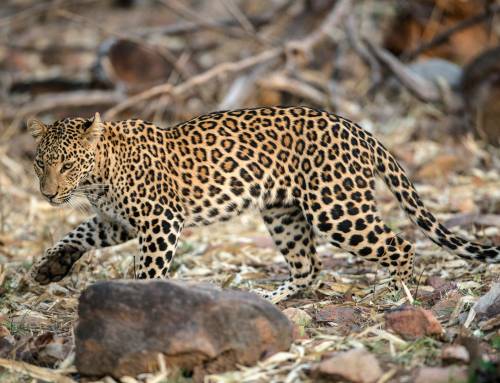
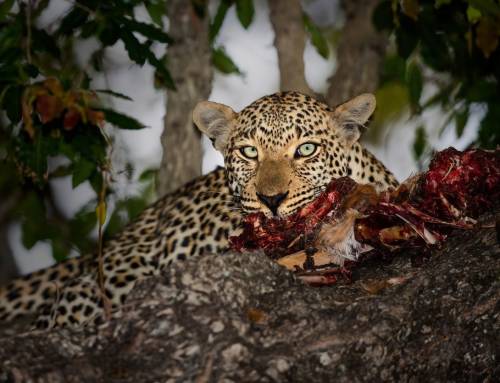
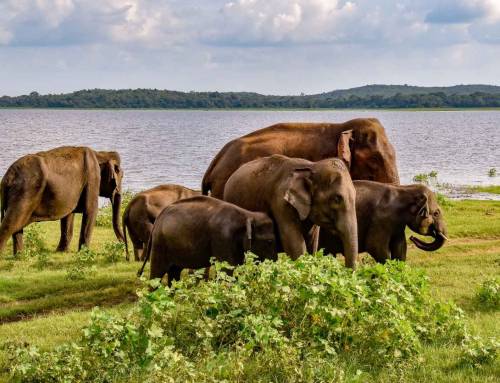
The Valarai plateau lies in the Anamalai ranges of the Western Ghats in Tamil Nadu state. Situated at an average It sits at an average elevation of 1000 meters above sea level and covers an area of approximately 220 sq km. Most of its rainforest was cleared for tea, coffee and cardamom plantations from the 1890s to 1930s. What remains are forest patches of 2 to 2,000 hectares, many with settlements at their peripheries. These patches still support wildlife, including elephants, leopards, and the lion-tailed macaque.
For the macaques, life in fragmented forests looks different. With limited room to disperse, troops in small patches can often grow large. They spend more time on the ground, and degraded patches offer fewer food plants. Each of these factors can make them more likely to pick up and spread parasites.
Scientists based at CCMB and CWS set out to test this in Valaparai. They studied nine forest fragments, sampling one macaque troop in each. Five of these fragments had human settlements nearby, and cattle grazed in all five.
From 91 fresh faecal samples, they identified nine kinds of parasites. Troops in fragments near settlements carried five to six kinds each, compared with one to three in the others. Parasites such as Haemonchus and Cotylophoron, are common in livestock, which points to cattle as the likely source. In four of these fragments, people, cattle and macaques drank from the same streams.
Troop size mattered as well. Larger troops carried more parasites, as they shared the same trees and grounds. The hookworm, Ancylostoma, was the exception, more common in smaller troops and away from settlements.
Earlier work in these fragments record falling birthrates and few young lion-tailed macaques surviving. The authors suggest parasites may be part of the reason, alongside nutrient scarce diets that may leave the primates less able to cope with infections. For an endangered species with smaller and fewer remaining strongholds, understanding these pressures at the edges of their habitats may be key to conserving them
To access the original article, click here
Keywords: LionTailedMacaques, WesternGhats, PrimateConservation, HabitatFragmentation, Widlife Health