Research Article: Vanamamalai, A., Karanth, K. K., Doser, J. W., et al. Estimating the occurrence and detection of human-elephant conflict in India through a Bayesian occupancy modelling framework. Biological Conservation 322, 112054 (2026).
Blog Author: Deep Gogoi
Key highlights:
- Cropland was a major factor associated with conflict, with areas with more cropland more likely to experience human-elephant conflict, likely because agricultural landscapes provide food for elephants.
- Conflict varied seasonally, peaking during the post-monsoon season (November to February), which coincides with crop production and harvesting in the study area.
- Conflict was concentrated near elephant refuge areas, with incidents more common around protected areas and other forested sites that provide shelter for elephants.
- Most reported incidents involved damage to crops or property. Of the 20,888 verified incidents documented between July 2015 and June 2023, 20,867 involved crop or property damage, while 21 involved human injury or death.
- Active monitoring improved the chances of detecting conflict. Reports were more frequent in areas where the monitoring programme was active and where community outreach and cooperation with the Forest Department facilitated incident reporting.
- Reports were less likely farther from refuge areas and during the pre-monsoon season. Detection decreased with increasing distance from protected areas and refuge sites and was lower during the hotter pre-monsoon season (March to June).
- Prevention efforts should prioritise monitoring and conflict-reduction measures near protected-area boundaries and elephant refuge sites, especially during the post-monsoon crop production and harvesting period when conflict is highest.
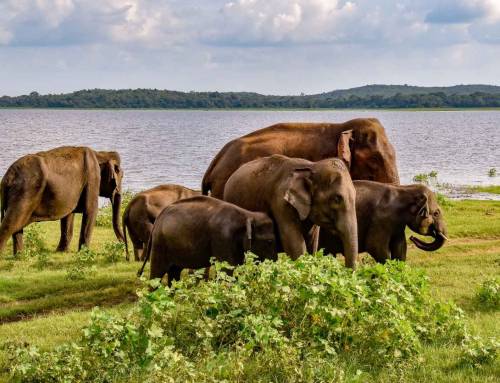
Human–elephant conflict affects both rural communities and elephant conservation. A recent study examined 20,888 verified conflict reports from agricultural areas surrounding Bandipur and Nagarahole National Parks in Karnataka, India, recorded between July 2015 and June 2023. The study found that conflict was concentrated in particular places and seasons, especially areas with more cropland and locations close to protected areas or other elephant refuge sites. These findings can help guide more focused monitoring and conflict-reduction efforts.
The study used records collected through the Wild Seve Program. When farmers reported an incident, programme staff visited the location within 24-48 hours and recorded details such as photographs, GPS coordinates, the affected area, and the species involved. Government authorities also verified the reports before compensation claims were processed. Of the total incidents, 20,867 involved crop or property damage, while 21 resulted in human injury or death.
The researchers examined the reports alongside information about cropland, vegetation, rainfall, temperature, nighttime light, terrain, human activity, and distance from protected areas and refuge sites. Instead of treating every missing report as proof that no conflict had occurred, they also considered whether an incident was likely to have been noticed and reported. In simple terms, the study looked at both where conflict occurred and where it was more likely to be detected.
Cropland was the strongest factor linked to conflict. Areas with more cropland were more likely to experience incidents, probably because agricultural fields provided attractive food resources for elephants. Conflict was highest during the post-monsoon season, from November to February, when crop production and harvesting activities were important in the landscape. Incidents were also concentrated near protected areas and forested refuge sites, which elephants could access while moving through the agricultural landscape.
The study also showed that active monitoring improved the likelihood of detecting conflict. Reports were less likely in areas farther from protected areas or refuge sites and during the hotter pre-monsoon season, from March to June. This means that fewer reports do not always indicate an absence of conflict; they may also reflect lower reporting or detection.
These findings support focused action near protected-area boundaries and refuge sites, particularly during the post-monsoon crop and harvest period. Better monitoring and stronger community participation can improve the understanding of conflict patterns and help direct support towards the places and seasons where it is most needed. Through careful planning and cooperation, conservation efforts can work towards reducing harm while supporting the continued protection of elephants.
To access the original article, click here
Keywords: Human-elephant conflict; Asian elephants; Karnataka; Bandipur National Park; Nagarahole National Park; community monitoring; crop damage; human-wildlife coexistence; protected areas; conservation planning.