Research Article: Ripple, W. J., Chapron, G., López-Bao, J. V., Durant, S. M., Macdonald, D. W., Lindsey, P. A., Bennett, E. L., Beschta, R. L., Bruskotter, J. T., Campos-Arceiz, A., Corlett, R. T., Darimont, C. T., Dickman, A. J., Dirzo, R., Dublin, H. T., Estes, J. A., Everatt, K. T., Galetti, M., Goswami, V. R., . . . Zhang, L. (2017). Conserving the World’s megafauna and biodiversity: The fierce urgency of now. BioScience, 67(3), 197–200.
Blog Author: Malavika Jayachandran
Key highlights:
- As more and more species face the risk of extinction, focusing on megafauna conservation can benefit ecosystems as a whole.
- Protecting megafauna, such as elephants, wolves, and lions, should not come at the expense of other species. Prioritizing umbrella species can simply help protect larger areas of habitat, hence preserving the homes of many smaller animals.
- It is easier to garner public support for large mammals and charismatic species, which can help attract funding, and inspire stronger conservation efforts.
- Involving local communities is key to successful conservation. Political protection of wildlife can only be achieved when there is public backing for conservation projects.
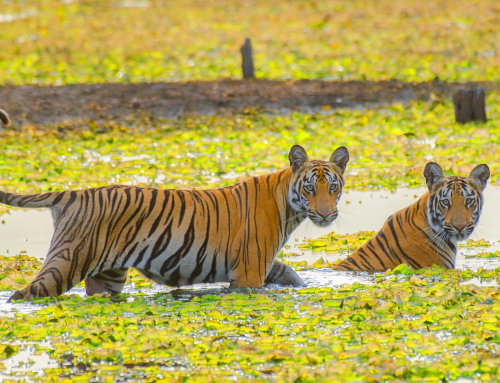
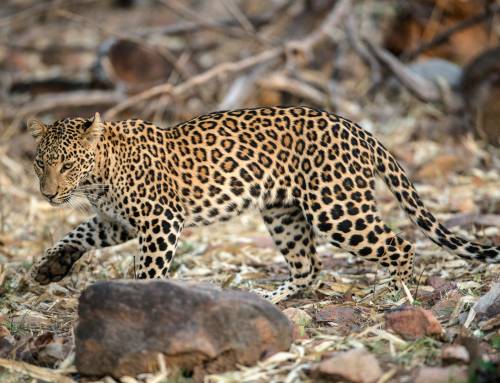
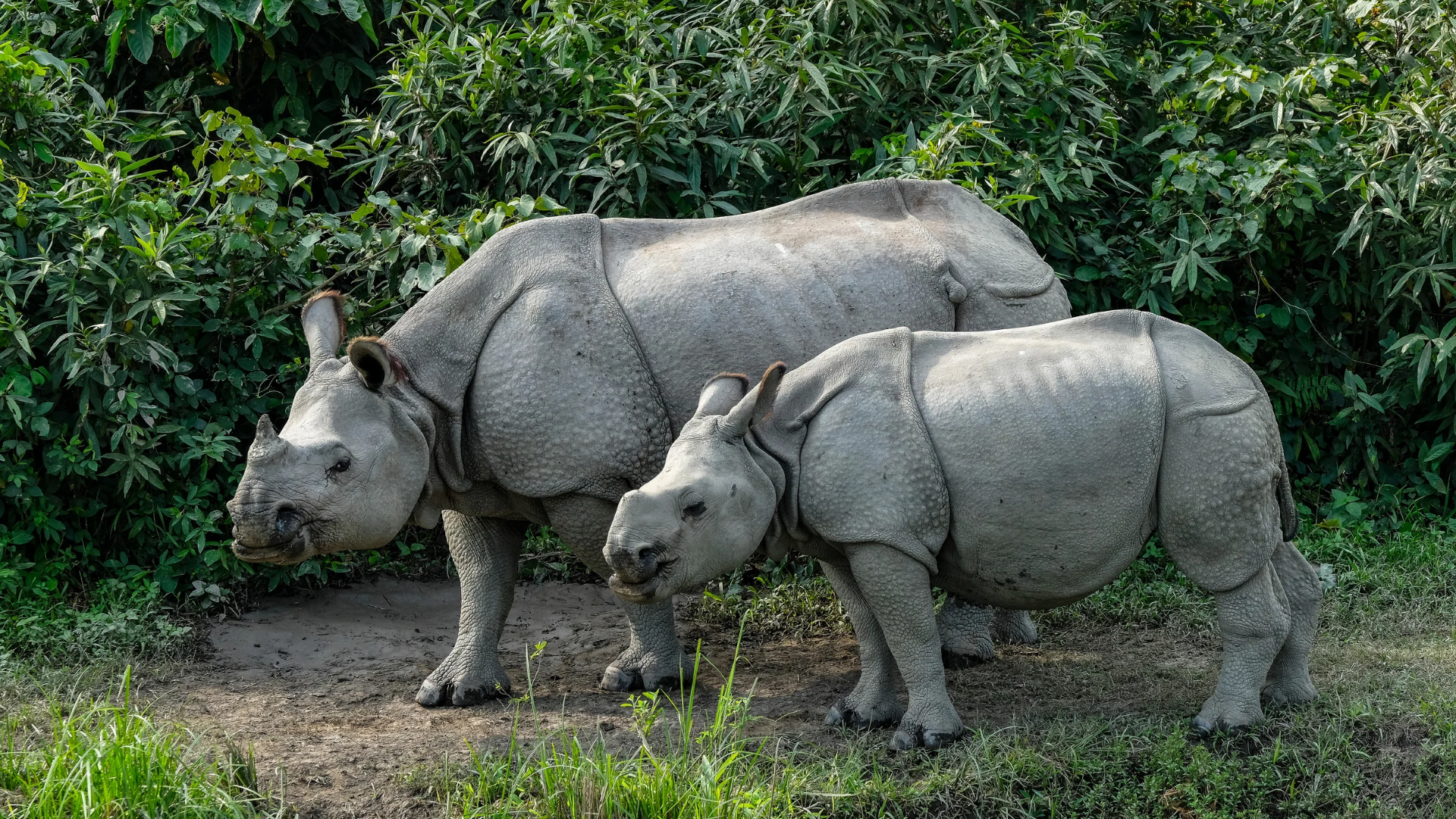
Large animals play a major role in shaping their ecosystems. Predators regulate prey populations, while large herbivores influence vegetation and habitat structure. As many megafauna need large habitats to survive, protecting them can also preserve the homes of countless smaller animals and plants. This makes them powerful “umbrella species”, wherein protecting their habitats can help us protect a much larger group of species that depend on the same habitat.
In “Conserving the World’s Megafauna and Biodiversity: The Fierce Urgency of Now,” scientists highlight why protecting large mammals, such as elephants, wolves, lions, and other megafauna, can help safeguard entire landscapes and biodiversity as a whole.
Many biodiversity-rich countries are home to threatened large mammals, which creates opportunities for conservation programs to protect multiple species together. From an ecological standpoint, much of this large megafauna is irreplaceable. Losing them may trigger ripple effects throughout ecosystems. This could disrupt natural processes and affect other wildlife.
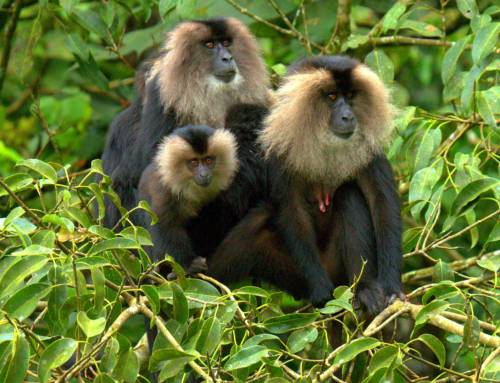
Talking from an economic standpoint, large animals also have the unique ability to capture public imagination. Their popularity can inspire people to support conservation. Focusing on charismatic species can also make it easier to attract new funding. Such enthusiasm could help strengthen conservation efforts for lesser-known species that receive less attention. Using them to garner public support can also help to create funding for less charismatic species.
A great example of this can be seen in many African countries, where political decisions are deeply tied to public support, with many countries setting aside large tracts of land for conservation due to the cultural significance and appreciation for their megafauna. Projects that involve local communities and respect their rights will be most successful in this aspect.
The authors are not calling to protect megafauna at the expense of other species, but to use this opportunity to strengthen conservation. By using the interconnectedness of nature to our advantage, we can help create a future where both wildlife and people thrive.
To access the original article, visit the link here.
Keywords: Megafauna, species extinction, ecosystem health, umbrella species, wildlife protection