Research Article: Goswami, V. R., Lauretta, M. V., Madhusudan, M. D., & Karanth, K. U. (2012). Optimizing individual identification and survey effort for photographic capture–recapture sampling of species with temporally variable morphological traits. Animal Conservation, 15(2), 174-183.
Blog Author: Aditya Banerjee
Key highlights:
- Fixed traits such as tusk shape and arrangement, ear fold style, and ear lobe shape are the most reliable for telling elephants apart.
- Traits that can change (like ear tears, holes, or tail brush shape) often cause mix-ups, leading to overcounted populations.
- At least seven well-spaced survey occasions are needed for precise and confident results.
- Automated coding of features speeds up the process dramatically, but a final expert visual check catches any look-alikes.
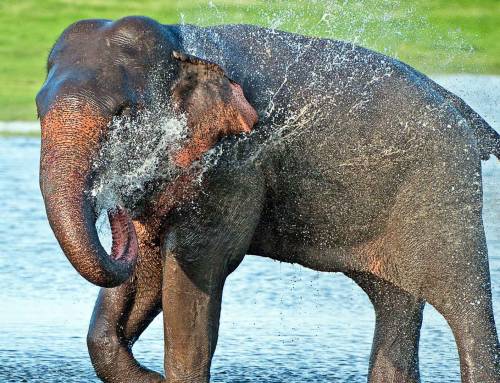
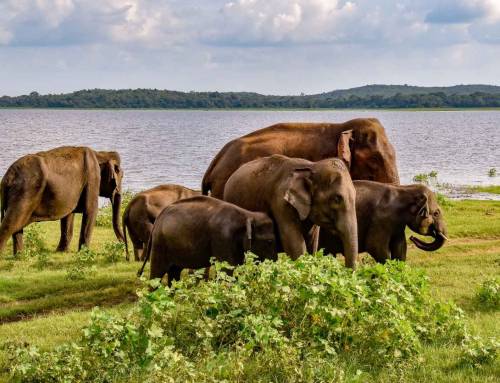
In the forests of southern India, getting accurate counts of endangered Asian elephants is vital for their protection. A groundbreaking study has revealed a smarter, more efficient way to identify individual male elephants from photographs: by focusing on stable physical traits that stay consistent over time. This approach delivers trustworthy population estimates, saves valuable field time, and strengthens conservation efforts for these gentle giants.
Elephants don’t have stripes like tigers, so researchers have long used a combination of features, such as tusks, ears, tails, and scars, to recognize individuals. The challenge? Some of these features change. A tusk might break, an ear tear might worsen, or a tail brush could be damaged in fights between bulls. When scientists included these changeable traits in their identification system, the same elephant sometimes looked like two different animals (or vice versa), inflating population numbers and weakening the data.
The researchers created a simple, automated coding system: each trait gets a number, and the numbers combine into a unique ID for every elephant. When they tested this using only the unchanging (fixed) traits, which were tusk characteristics, ear fold, and lobe shape, the population estimates matched closely with careful, expert visual identification done by hand. Adding variable traits, however, produced much higher and less trustworthy numbers because of mistaken identities.
They also discovered that surveys need enough repeat visits. With fewer than seven sampling occasions, estimates became uncertain. Seven or more well-planned sessions gave clear, reliable results without unnecessary extra effort or cost.
Accurate numbers are the foundation of smart conservation. They help us understand whether protections are working, whether poaching is hitting male elephants hardest, and where to focus habitat corridors or conflict mitigation. By making identification faster and more reliable, this method lets teams monitor larger areas more often, using vehicle surveys, waterhole watches, or even camera traps, while keeping costs manageable.
The study, carried out in Nagarahole and Bandipur National Parks in Karnataka, shows that technology and traditional field skills work beautifully together. Automated systems quickly narrow down possibilities; trained eyes make the final confirmation. The result? Stronger science, clearer trends, and better chances for Asia’s elephants to thrive.
This practical breakthrough proves that when we focus on what stays constant in nature, we gain powerful tools to protect the wild wonders that need us most.
To access the original article, click here
Keywords:Asian Elephant Conservation, Photographic Monitoring, Individual Identification, Fixed Morphological Traits, Wildlife Population Surveys, Nagarahole Bandipur, Conservation Science, Elephant Population Monitoring