Research Article: Karanth, K. K., Jain, S., & Weinthal, E. (2019). Human-Wildlife interactions and attitudes towards Wildlife and Wildlife Reserves in Rajasthan, India. Oryx, 53(3), 523-531.
Blog Author: Aishwarya Anilkumar
Key highlights:
- Human-wildlife interactions strongly shape how people perceive wildlife and protected areas.
- The study surveyed approximately 1,096 villages, covering 2,200 households within a 10 km radius of four wildlife reserves in Rajasthan.
- Crop damage was widespread, while livestock predation affected fewer households.
- Many households actively sought to minimize losses. Over 70% utilized at least one strategy for crop protection, including night guarding, fencing, lighting, or scare devices.
- Education, gender, livelihood type, and personal experiences influenced attitudes and tolerance. Despite frequent losses, most respondents supported wildlife conservation and protected areas.
Human-wildlife interactions are a daily reality for many people living near protected areas in India. These interactions range from sharing landscapes with wild animals to experiencing crop loss, livestock predation, or, in rare cases, threats to human safety. How people experience these interactions often determines how they feel about wildlife and the reserves created to protect them.
In Rajasthan, wildlife reserves are embedded within human-dominated landscapes characterised by agriculture, pastoralism, and forest use. Understanding how local communities perceive wildlife and protected areas is therefore critical for long-term conservation success.
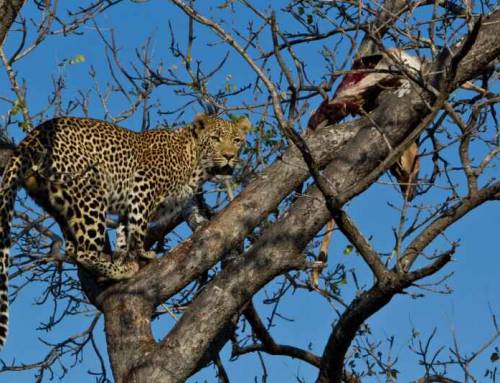
To explore this, researchers studied human-wildlife interactions and attitudes around four wildlife sanctuaries in Rajasthan- Jaisamand, Kumbhalgarh & Todgarh Raoli, Phulwari ki Nal, and Sitamata. These reserves support a range of wildlife species, including leopards, wolves, sloth bears, hyenas, and several herbivores that frequently move into surrounding farmlands.
Researchers conducted household surveys across 1,096 villages, interviewing 2,233 households within a 10 km radius of the reserves. This spatial scale reflects the distances over which many wild animals move beyond reserve boundaries. The surveys captured information on crop damage and livestock loss, human injury caused by wildlife, attitudes towards wildlife and wildlife reserves, use of mitigation measures, and access to compensation. In addition, the study incorporated landscape variables such as distance from reserves, elevation, and proximity to water to better understand patterns of interaction.
Negative interactions with wildlife were common, but not uniform across households. Crop damage emerged as the most widespread issue, affecting over three-quarters of surveyed households. Wild pigs and nilgai were most frequently reported as crop-raiding species, often causing repeated losses during a single growing season. Livestock predation was reported by about 15% of households, primarily involving leopards, wolves, and jackals. While fewer households experienced livestock loss compared to crop damage, the economic impact of losing animals was often severe. Human injury and fatalities were rare, but where they occurred, they had a strong influence on people’s perceptions of wildlife.
Despite facing real and recurring losses, attitudes towards wildlife and protected areas were largely positive. 85% of respondents supported the protection of wildlife reserves. 73% reported they would value wildlife more if negative interactions were reduced. The study shows that education played an important role in the way they perceive wildlife and wild spaces. People with higher levels of schooling were more likely to express positive attitudes towards wildlife conservation. Gender differences were also evident, with women generally expressing less favourable views, possibly reflecting their greater involvement in crop protection and household responsibilities. Attitudes varied across reserves, highlighting how local ecological conditions and historical experiences influence coexistence.
Most households actively tried to reduce losses. More than 70% used at least one mitigation strategy for crop protection, such as night guarding, fencing, lighting, or scare devices. In contrast, fewer households used measures to prevent livestock predation. Mitigation efforts were often reactive rather than preventive – households that had experienced losses over a longer period were more likely to adopt protective measures. Compensation played a limited role, particularly for crop damage, which is not covered under Rajasthan’s compensation schemes.
This study challenges the assumption that frequent conflict inevitably leads to negative attitudes towards wildlife. In Rajasthan, many people continue to support wildlife conservation despite bearing high costs. However, tolerance is not unlimited. Without effective mitigation, compensation, and engagement, repeated losses can erode support over time. The findings highlight the importance of designing locally relevant mitigation strategies, improving access to timely compensation, and identifying and supporting households most vulnerable to wildlife-related losses. By combining social surveys with technical analysis, this research provides valuable insights into how conservation can be strengthened in shared landscapes, where people and wildlife must coexist.
You can access the original research article here!
Keywords: Conservation, Wildlife, Rajasthan, Wildlife Reserves, Human-Wildlife Interaction.