William G. Conway (1929-2021): A Tribute
The trustees, advisors and staff of Centre for Wildlife Studies (CWS) mourn the death of William Conway former General Director of the Bronx Zoo and [...]
Author: Simran Prasad The highlights are: Scientists examined fishermen’s perceptions of current fishing practices and management techniques in India. 86% of fishermen perceived a decline [...]
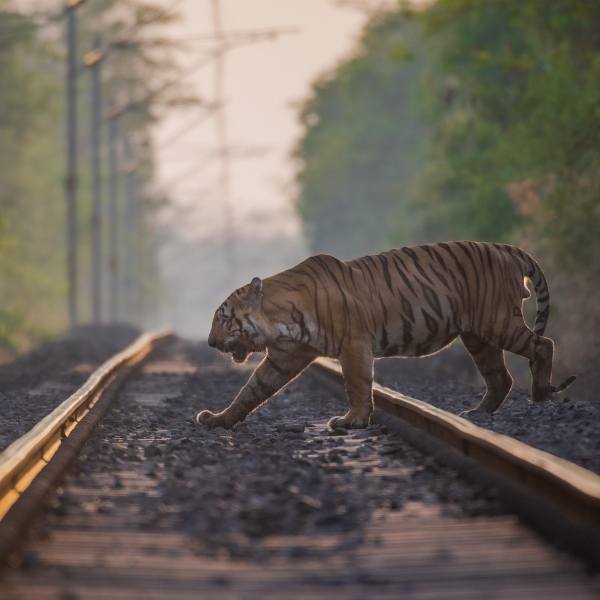
Connectivity between fragmented habitats plays an important role in the survival of wildlife. Yet, there is considerable uncertainty on how to quantify connectivity and measure its effects.
Adopt a Primary Healthcare Centre in rural India The second wave of Covid-19 has left India in deep distress. It is apparent that rural and [...]
Small hydropower projects (SHP) are presumed as an environmentally friendly alternative to large dams. However, research suggests that SHP might adversely impact freshwater ecosystems.
Wildlife habitats are becoming fragmented due to climate change and increased human activity. Connectivity between fragmented habitats is key to maintaining healthy wildlife populations.
People’s perceptions of wildlife and wild spaces influence their behaviours towards wildlife and their support for conservation. Launched in 2018, Wild Shaale aims to increase rural children’s environmental literacy and reconnect them with nature.
People employ various means of coping with wildlife interactions, including building fences, night guarding, and insurance and payment schemes. This study looks at ex-gratia compensation payments and procedures for human wildlife conflict incidents across India.
In India, thousands of people live around India’s wildlife reserves and experience conflict in the form of crop and property damage, livestock predation, and human injury and death. It has been estimated that state governments spend ~Rs. 38 Crores ($5 Million) annually to compensate for wildlife-related damages to property and life.
The survival of wildlife depends on multiple factors which influence and facilitate their persistence in a region. Under current conditions of a fast-paced changing environment that threaten wildlife, conservation efforts should be tailor-made based for long-term persistence and survival of these animals.