Research Article: Shahabuddin, G., & Kumar, R. (2006). Influence of anthropogenic disturbance on bird communities in a tropical dry forest: Role of vegetation structure. Animal Conservation, 9(4), 404–413.
Blog Author: Apoorva Sodhi
Key highlights:
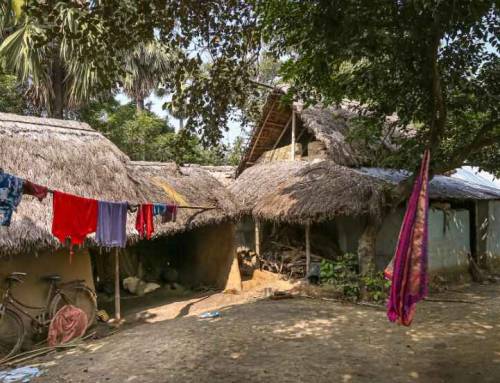
- Tropical dry forests support a remarkable array of birdlife, yet many of these habitats are also used daily by local communities.
- The study from Sariska Tiger Reserve examines how routine activities such as grazing and collecting fuelwood subtly reshape forest structure and, in turn, the birds that depend on it.
- Undisturbed sites supported higher bird diversity, even though species counts and total sightings were similar across sites.
- Areas with regular human use had lower canopy cover and shorter trees, influencing which bird species were present there.
- Several insect-eating species shared a clear preference for intact forest patches.Changes in bird communities were closely linked to changes in vegetation structure, rather than to human presence alone.
- The findings highlight the importance of retaining undisturbed forest patches within human-used landscapes.
Tropical dry forests may appear resilient, but their bird communities respond sensitively even to modest shifts in habitat structure. In Sariska Tiger Reserve, where people have long relied on the forest for grazing livestock and gathering fuelwood, these everyday uses create a gradient of disturbance across the landscape. This study examines how such routine pressures influence birds, not through dramatic habitat loss but through gradual change.
Researchers compared bird communities in two types of sites – relatively undisturbed forest patches and areas more heavily used by people and livestock. Initially, the differences seemed minimal; both kinds of sites supported a comparable number of bird species and similar levels of overall bird activity. However, a detailed analysis revealed a clear pattern, i.e., undisturbed patches supported a richer and more balanced community of species.
The strongest explanation for this difference lies in the structure of the vegetation. Undisturbed sites retained taller trees, denser canopies, and greater basal area, all of which create the shaded, layered microhabitats that many forest birds require. Disturbed sites, shaped over time by lopping, browsing, and trampling, tended to be more open and structurally simplified.
Many insectivorous species, including warblers, flycatchers, and white-eyes, were especially sensitive to these changes. Their presence in higher numbers in undisturbed areas suggests that they depend on the cooler, more complex canopy conditions that intact forests provide. In contrast, species tolerant of open habitats were more evenly distributed across both site types.
Importantly, the study found that changes in bird communities were driven primarily by shifts in vegetation structure, rather than human activity in isolation. In other words, what influences bird communities is not the fact that people use the forest, but the way that they use it changes the forest’s structure.
These insights carry practical implications. While Sariska contains a mosaic of forest conditions, retaining undisturbed patches of natural habitat remains essential for conserving the full range of its bird diversity. At the same time, supporting local communities with alternatives to forest-based biomass can help ease pressure on frequently used areas.
The study highlights a simple but important point that when the forest structure is maintained, bird communities remain more resilient. Hence, protecting and restoring these structural features is essential for sustaining Sariska’s diverse avifauna.
You can access the original article here.
Keywords: Tropical dry forests, bird communities, Sariska Tiger Reserve, vegetation structure, habitat change, biomass use, insectivorous birds, conservation.